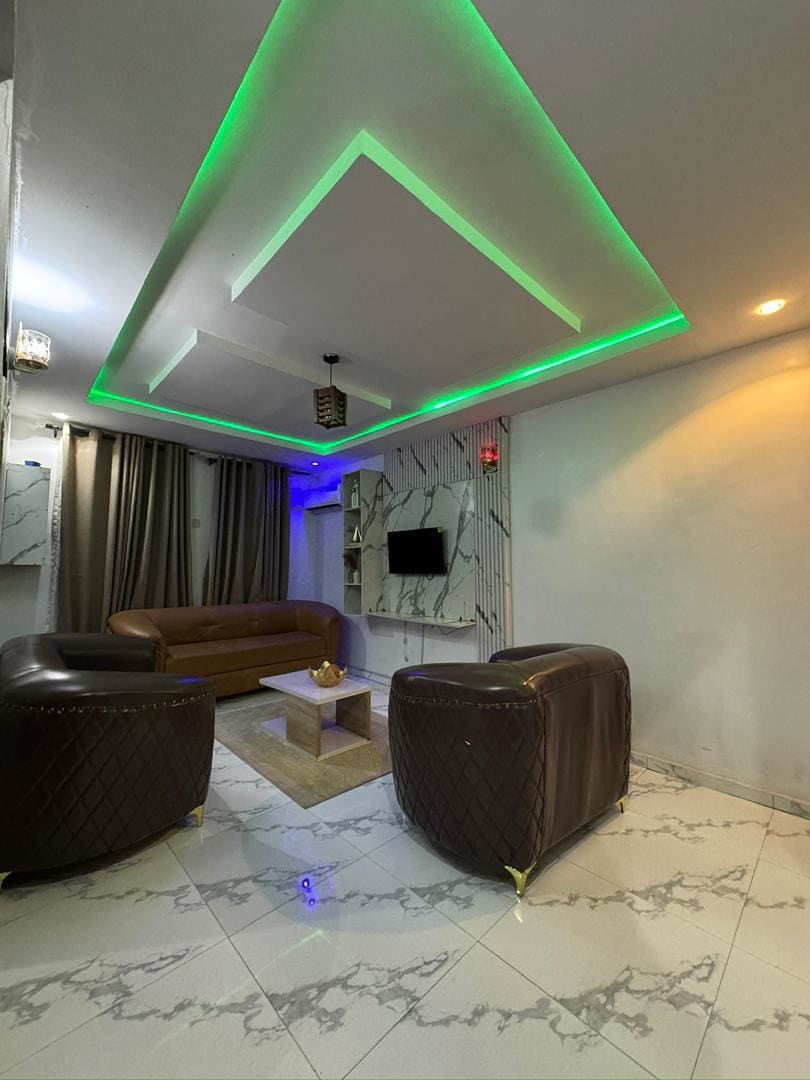
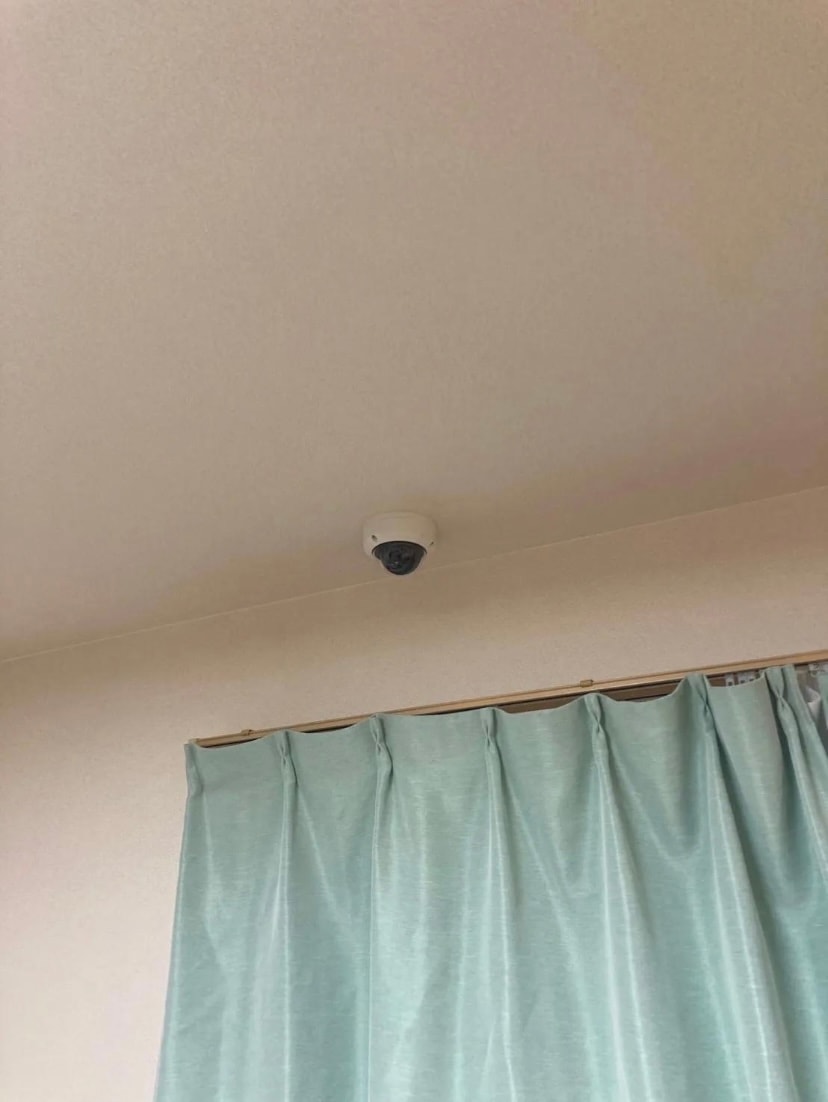
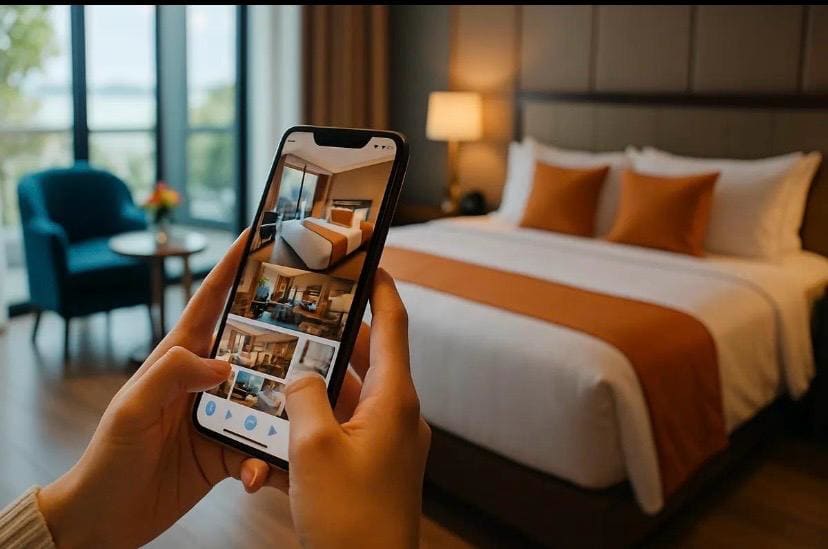


The rapid growth of short-let apartments across Nigeria has created a new kind of property management challenge. Many owners of shortlet apartments live outside the city and in some cases outside Nigeria entirely. They may own apartments in Ibadan, Lagos, Abuja or other cities while living in the United Kingdom, United States, Canada, Australia or elsewhere to protect their investment and monitor what is happening at their properties, some owners have turned to CCTV cameras.
A camera at the entrance, another at the gate, one overlooking the parking area, another in the compound. Sometimes cameras extend into corridors, lounges and other areas used by guests. From the property owner's perspective, the reasoning may appear straightforward: “I am thousands of kilometers away. I need to know what is happening in my property.” But from the guest's perspective, another question arises: At what point does property security become surveillance?
Why shortlet owners install cameras
Shortlet properties face genuine risks. Owners may be concerned about theft, vandalism, unauthorized parties, additional guests, damage to furniture, disputes with staff or people entering the property without permission. For an owner managing a property remotely, CCTV can therefore be extremely useful. A properly positioned camera at the entrance can show who enters and leaves the property. Cameras around external areas can help deter theft and provide evidence when an incident occurs. The problem is not necessarily the presence of cameras. The problem is where they are installed, what they record and whether guests know they are there. A paying guest still has a reasonable expectation of privacy When someone books an entire short-let apartment, they are temporarily making that property their private living space.
They may relax in nightwear. They may spend time with their spouse or partner.
Children may be staying in the property. Guests may have private conversations, make business calls or simply expect to move around without somebody watching them remotely. That expectation does not disappear because the property belongs to someone else. International booking platforms have increasingly recognized this distinction. Airbnb prohibits security cameras or recording devices that monitor any interior part of a home listing, including living rooms, hallways and bedrooms. Hidden cameras are prohibited, while permitted exterior cameras must be disclosed to guests.
Booking.com similarly says surveillance devices should be visible and disclosed and should be limited to appropriate public or common areas rather than areas where guests reasonably expect privacy. These policies illustrate an important principle for the hospitality industry: owning a property does not automatically give an owner unlimited rights to watch the people renting it. Nigeria's data protection rules also matter This is not simply a question of hospitality etiquette. Video recordings can constitute personal data where individuals can be identified. Nigeria's Data Protection Commission says personal data should be processed fairly, lawfully and transparently, for legitimate purposes and limited to what is necessary for those purposes. The Commission has specifically highlighted concerns about the unlawful use of CCTV.
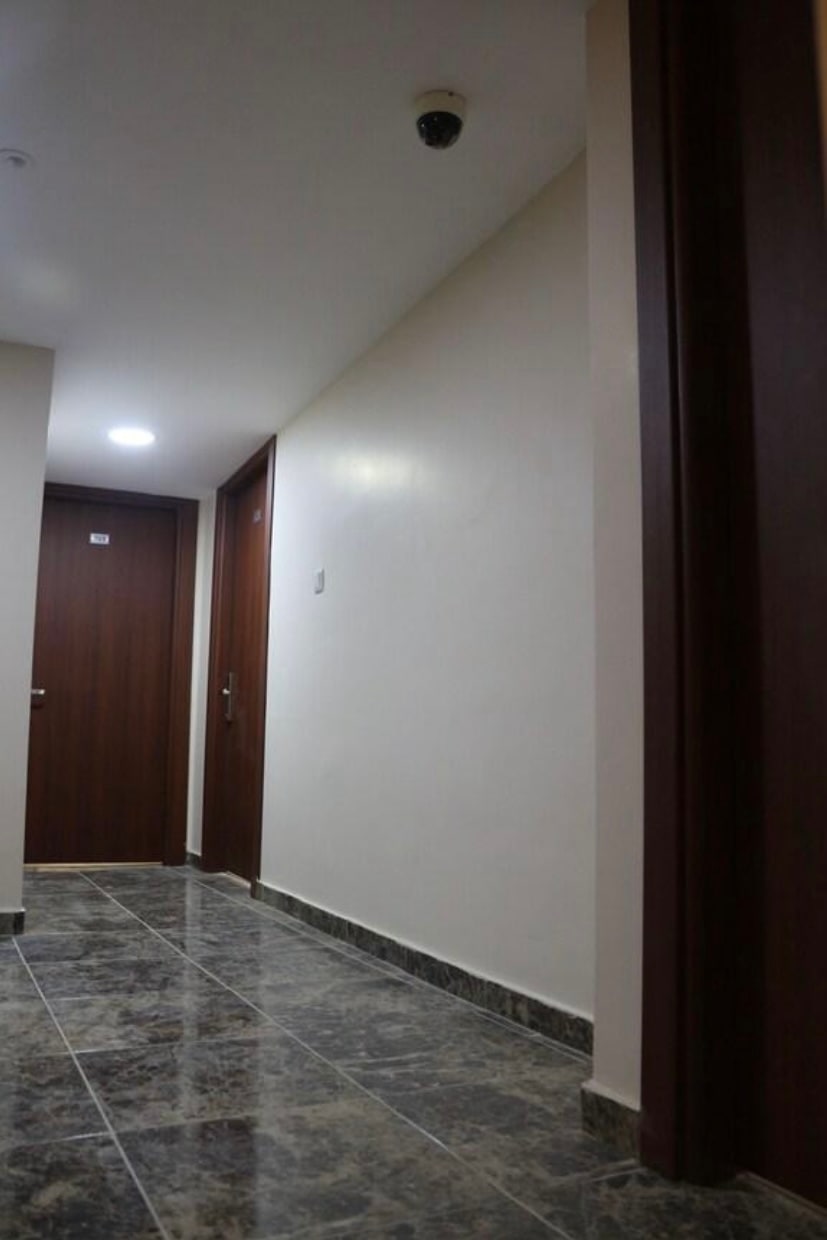
In its 2025 annual report, the NDPC recognized that CCTV can legitimately be used for security but warned that surveillance may overreach people's privacy rights. It also identified lack of notice to people being recorded as a concern. That should be particularly important to Nigeria's growing short-let industry. Installing twenty cameras simply because technology makes it possible does not necessarily make it appropriate. Imagine discovering a camera after checking in. Consider a family that books a short-let apartment for four nights. After settling in, one of them notices a camera pointing towards the lounge. Even if the owner insists that the camera is only there for security, the damage to trust has already occurred. The guests will naturally begin asking questions: Is it recording? Can somebody watch us live? Does it record sound? Who has access to the footage? How long is the recording stored? Are there other cameras we have not found? For a hospitality business, those questions can quickly turn into complaints, refunds, negative reviews and reputational damage. A security system intended to protect the property may therefore end up damaging the business. Managing from abroad does not require watching your guests
Technology now gives property owners much better options. Remote management can include smart locks, electronic access logs, exterior CCTV, doorbell cameras, intrusion sensors, smoke detectors, leak detectors and property-management systems. Noise monitoring technology can also detect unusually high sound levels without recording guests' conversations, depending on how the device is designed and configured. Owners can therefore protect their properties without turning the accommodation itself into a surveillance environment.
The objective should be: Monitor the property, not the private lives of the people staying inside it. Where cameras make more sense For an independently operated short-let, appropriate security locations may include areas such as:
- the property's external entrance;
- gates and perimeter access points;
- parking areas;
- external walkways; and
- genuinely public or shared areas where permitted by applicable law and platform rules.
Even then, operators should consider disclosure, camera direction, audio recording, data retention and who has access to recordings. Cameras should never be concealed from guests. Bedrooms and bathrooms should obviously be treated as completely private spaces.
For properties listed through platforms such as Airbnb, operators also need to follow the platform's rules, which may be stricter than what an owner would otherwise consider acceptable. Airbnb, for example, prohibits cameras monitoring the inside of home listings altogether.
Shortlet operators should have a CCTV policy Nigeria's shortlet industry is becoming more professional. Operators should therefore start treating surveillance in the same structured way hotels and other hospitality businesses treat security. Before installing CCTV, an operator should be able to answer several basic questions:
1.Why is this camera necessary?
2.What exactly can it see?
3.Can the same security objective be achieved in a less intrusive way?
4.Have guests been clearly informed?
5.Who can access the footage?
6.How long will recordings be retained?
7.What happens if a staff member downloads or shares a recording?
Those questions become even more important when property owners are accessing cameras remotely from another country. Nigeria's data protection framework also addresses transfers of personal data outside Nigeria and requires appropriate protection where the law applies. Trust may become a competitive advantage. The shortlet industry depends heavily on trust. Guests are entering somebody else's property. Owners are handing expensive assets to people they may never have met. Technology can help both sides, but it should not destroy the trust it was supposed to protect. Operators who clearly tell guests where security devices are located and who deliberately avoid intrusive surveillance can turn privacy into part of their brand promise.
A listing could confidently state: “For your security, CCTV covers the external entrance and parking area only. There are no cameras inside the apartment.” For many travelers, that statement could provide more reassurance than dozens of cameras. The future of shortlet management should be smart, not intrusive Remote ownership is likely to increase as Nigerians in the diaspora invest in property and hospitality businesses back home. Technology will be essential to making those investments manageable. But there must be boundaries. Property owners have a legitimate interest in protecting buildings, furniture and guests.
Guests have an equally important interest in being able to sleep, eat, talk, relax and spend time with their families without wondering whether a landlord thousands of kilometers away is watching.
The best shortlet operators will understand both sides. Security should protect the guest and the property not turn the guest into the subject of surveillance.
For Nigeria's rapidly expanding short-let industry, getting that balance right may become one of the most important tests of professionalism and trust.