Oyo State is actively matching its rich cultural heritage with deliberate, long-term governance. Under the visionary leadership of His Excellency, Governor Seyi Makinde, the state has pivoted toward a tourism-driven economy. The administration's proactive stance at the recent International Tourism Summit Oyo State has clearly shown a dedication to shifting Nigeria's reliance away from petroleum. At ajani.ai, we deeply commend the Governor's words and actions aimed at ensuring Oyo State's tourism infrastructure is elevated to a global standard. The strategic blueprint laid out by this administration proves that the Pacesetter State is on the right path. [1] [2] [3]
However, to truly unlock this global potential, we must look at how the world accesses Oyo State. As the founder of ajani.ai—a platform built entirely to power local hospitality, booking, and discovery across Oyo State—I understand that the friction of access is often the biggest barrier to economic growth. To supercharge tourism, the Oyo State Government should consider an innovative fiscal strategy: a strategic flight subsidy scheme for all aircraft landing in Oyo State. [1] [2]
The Aviation Tax Reality vs. State Leverage
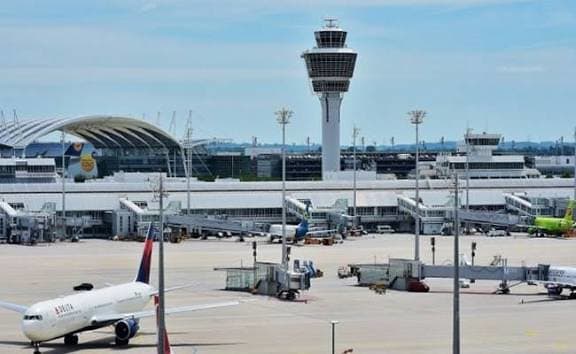
A major bottleneck for domestic and regional travel in Nigeria remains the exorbitant cost of airfares, heavily driven by multi-layered aviation taxes and operational fees. Historically, aviation and airport taxes are collected by the Federal Government via agencies like the Federal Airports Authority of Nigeria (FAAN) and the Nigerian Civil Aviation Authority (NCAA). However, because the Oyo State Government has taken full ownership of the massive infrastructure overhaul to upgrade the Samuel Ladoke Akintola Airport in Ibadan into an international hub, the state possesses a unique leverage point.
Oyo State does not need to pay airlines outright out of pocket. Instead, it can establish a State Air-Subsidy and Rebate Scheme that offsets or absorbs the landing fees and localized state-level structural dues for commercial flights routing into Ibadan. By eliminating or heavily subsidising these landing dues, airlines can pass the savings directly to consumers, making a flight to Ibadan the most cost-effective and attractive destination in Southwest Nigeria.
The Macroeconomic Ripple Effect on Oyo IGR
The mechanics of this policy are simple, but the macroeconomic return on investment for the state's internally generated revenue (IGR) is massive:
- Massive Influx of Visitors: Lower ticket prices will immediately redirect tourists, business travellers, and the diaspora away from congested regional hubs and straight into Ibadan.
- The Hospitality Multiplier Effect: When a visitor lands, ticket prices become a secondary thought. Data from the ajani.ai discovery platform reveals that accessible travel directly correlates with increased local commerce. Visitors will board local transport, check into local hotels in Oyo State, eat at local restaurants, and buy artisan goods.
- Recouping via Local Consumption Taxes: While the state pauses on direct airport collection, it aggressively collects through consumption taxes, hospitality levies, and a broader 24-hour economy.
Engineering the Pipeline for a Global Hub
Governor Makinde's Tourism Master Plan Framework is all about building sustainable institutions. By introducing a competitive flight subsidy model, Oyo State wouldn't just be waiting for tourists to discover iconic sites like Bowers Tower, Idere Hills, or the Sogidi Lake; it would be actively engineering the logistics pipeline that brings them there. [1] [2]
At ajani.ai, we believe data-driven, bold structural policy is what separates stagnant economies from global hubs. By making Ibadan the most affordable, accessible, and seamless destination to land in Nigeria, the Oyo State Government will firmly establish its place on the global tourism map. The infrastructure is already being built; it is now time to lower the entry barrier and let the world fly in.