For years, I believed I had Oyo State figured out. Having lived around here long enough, my mental map of Ibadan was simple: sprawling brown roofs, buzzing traffic, the iconic radio masts, and a handful of well known hotels everyone routinely defaults to. Beyond those, I assumed the rest were just tucked away event halls behind unmarked gates, or quiet, family run guesthouses scattered across Ibadan, Iseyin, and Ogbomoso.
It wasn't until I stepped out into the field that I realized how incomplete that picture really was.
The Reality on the Ground
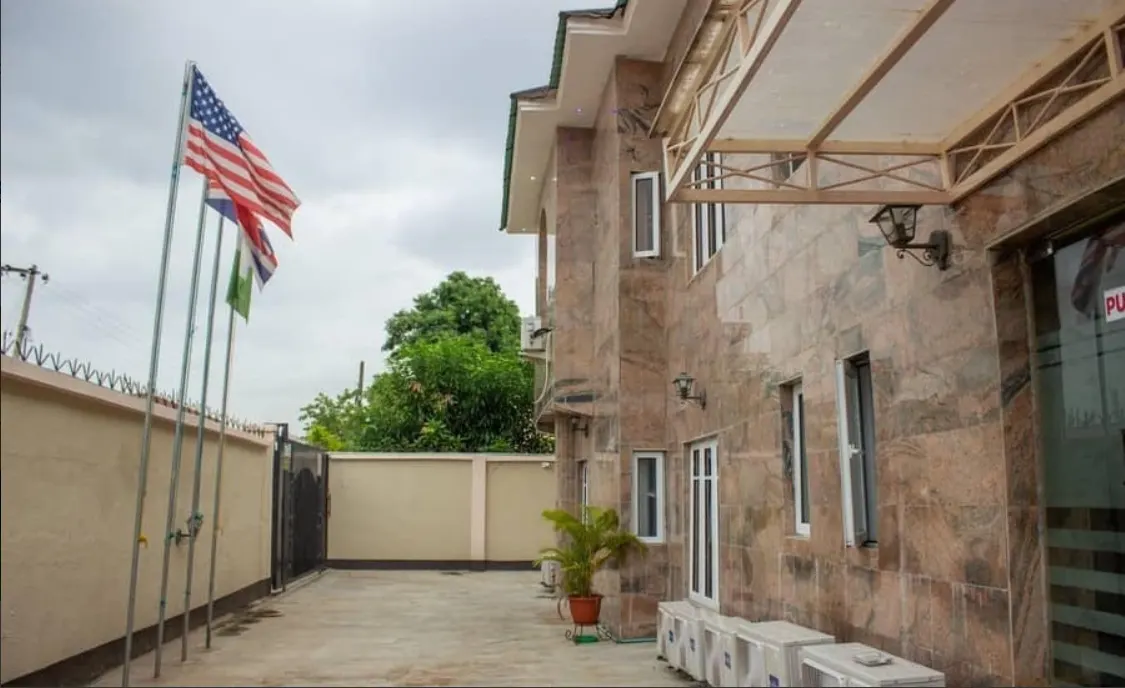
My perspective shifted completely during a visit to a hotel in Bodija. Danes Hotel. The moment I walked through the gate, I was greeted warmly by security. Inside, I found exceptionally trained, respectful staff providing top tier customer service in a serene, meticulously maintained environment focused entirely on guest satisfaction.
It was a world class experience yet, prior to walking in, I had no idea it existed. Search for it online, and it barely did.
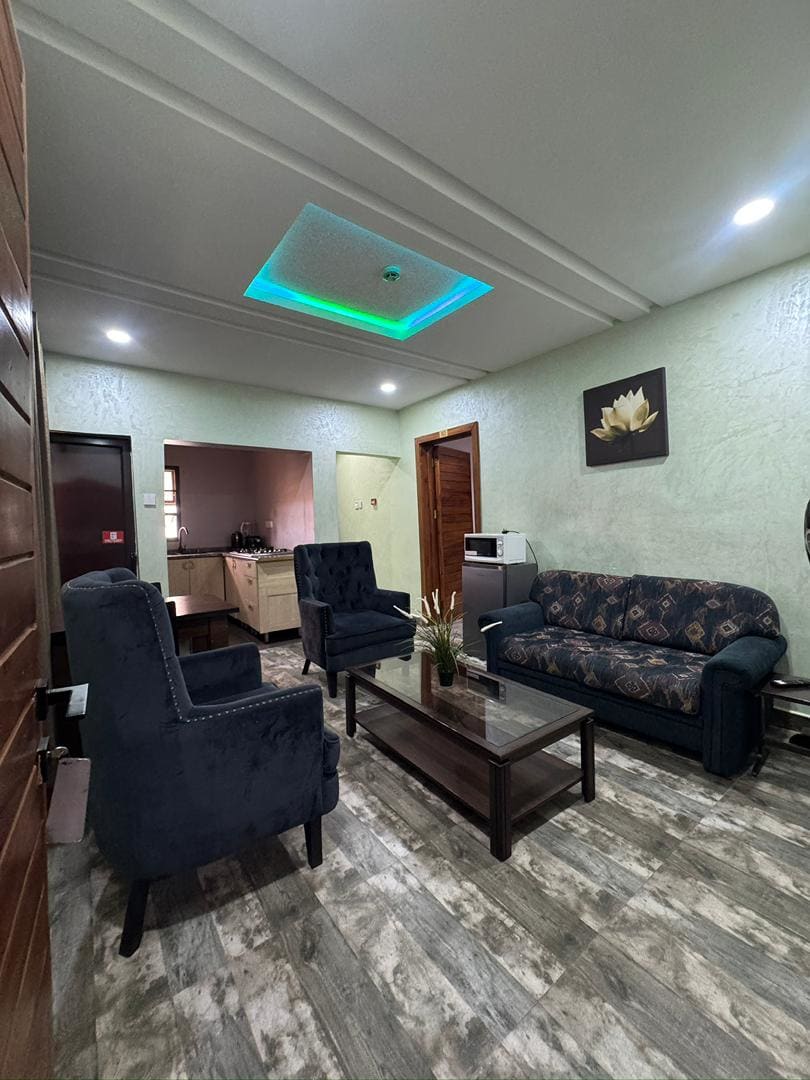
As I continued visiting and onboarding hotels, shortlets, and event centres across Oyo State, this story repeated itself over and over. The state is home to an incredible array of beautiful, modern, high quality hospitality businesses. The issue isn't quality or service it's visibility.
The Digital Invisibility Barrier
In today's travel economy, a business that isn't visible online is, for most prospective guests, a business that doesn't exist. Across Nigeria's hospitality sector, this gap between physical quality and digital presence is costing establishments real revenue not because travelers are hard to find, but because the businesses themselves are.
The numbers underline just how much is at stake. Nigeria's hotel market is projected to reach roughly $1.48 billion in revenue this year, growing at close to 9.6% annually through 2030 (Statista) and by then, more than 80% of that revenue is expected to come through online channels rather than walk ins or phone bookings. The broader hotels and motels industry has already been generating close to $3.9 billion annually, with growth holding steady even through difficult economic stretches (Research and Markets). Meanwhile, the sector is projected to hold at roughly 4.5% of Nigeria's GDP through 2026 (CNBC Africa), with room revenue climbing even in periods where occupancy has softened. Nationally, Nigeria now leads the African continent in new hotel construction, with over 14,000 rooms currently in development (BusinessAM Live)ahead of South Africa, Kenya, Egypt, and Morocco.
Set against that backdrop, Oyo State's own momentum is notable. Visitor numbers into the state have climbed from roughly 1,600 to over 18,000 in recent years, and the state government has since unveiled a 25 year tourism master plan, alongside a redevelopment framework for Eleyele Lake (Businessday NG), aimed at turning the creative and hospitality economy into a serious contributor to the state's GDP.
Yet many local business owners are missing out on this growth, held back by a few recurring digital bottlenecks:
* Poor online presence missing or incomplete business profiles on search
engines and maps.
* Outdated visuals low resolution or inaccurate photos that fail to capture the
quality of the physical space.
* Incomplete information unclear pricing, missing contact details, or no straightforward way to book.
These are not businesses struggling because of bad management or poor service. They are losing money because the digital door to their business is, in effect, locked.
Coming up in Part 2: How ajani.ai is helping close this gap and what it means for the future of Oyo State's hospitality industry