


For the first time in years, the economic data coming out of Nigeria is singing a harmonious tune. Just days after the National Bureau of Statistics (NBS) confirmed a massive drop in inflation, the World Bank has added its voice to the chorus of optimism, projecting a robust economic resurgence for the nation in 2026.
It appears the painful reforms of the past two years are finally bearing fruit. The narrative has shifted from “endurance” to “recovery,” with both local market realities and global economic forecasts pointing in the same direction: Up.
Relief at the Market: The Inflation Drop
The most immediate relief for the average Nigerian is visible not in bank spreadsheets, but on the kitchen table. According to the latest NBS report released this week, Nigeria’s headline inflation rate has cooled to 15.15 percent as of December 2025.
To understand the magnitude of this shift, one only needs to look back a year. In December 2024, inflation was strangling the economy at nearly 35 percent. The drop to 15.15 percent, and a further dip from November’s 17.33 percent, signals that the fever has broken.
Food Prices Finally Crash
Crucially, the relief is being felt where it matters most: food. The NBS data reveals that food inflation has slowed to 10.84 percent. Even more promising is the month-on-month data, which shows that food prices actually declined by 0.36 percent in December.
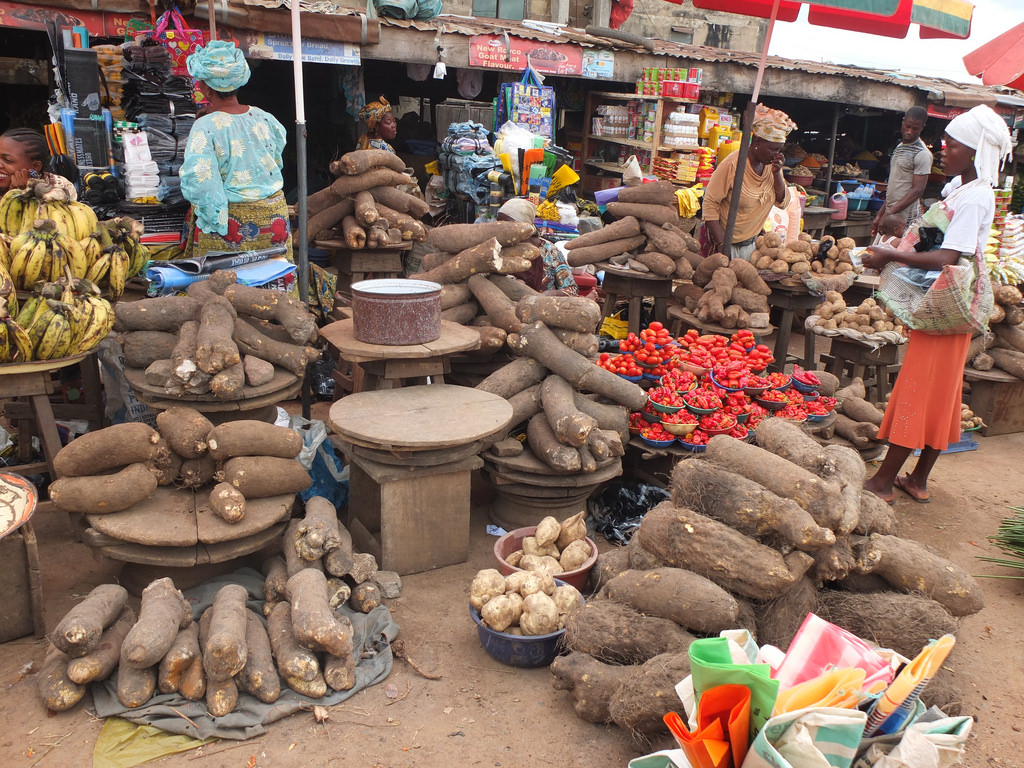
Staples that had become luxury items, Garri, Tomatoes, Beans, Yams, and Eggs, are finally seeing price corrections. The aggressive upward spiral that defined the last few years has halted, offering families a chance to breathe.
The Global Vote of Confidence: World Bank Outlook
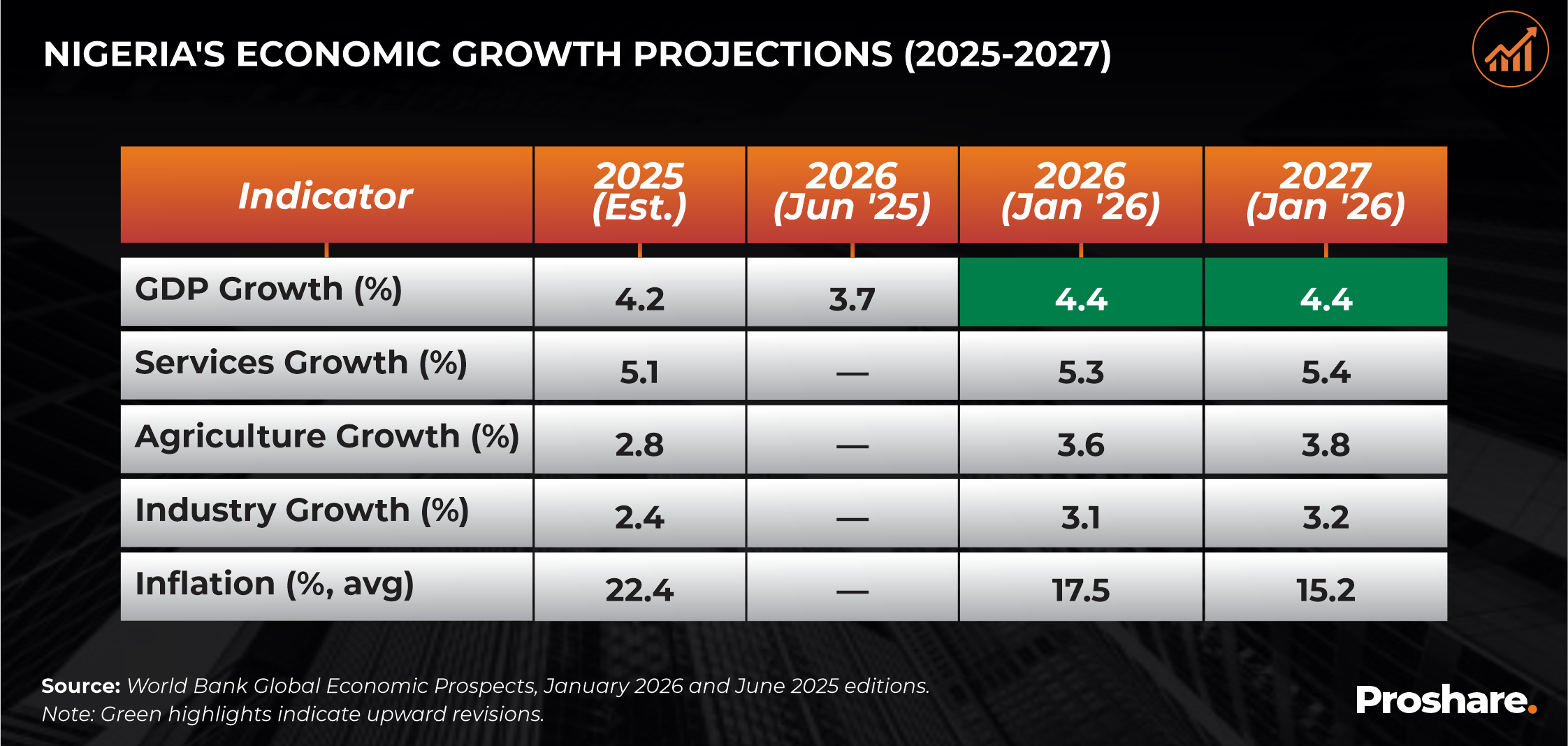
While Nigerians celebrate lower food prices, the international community is looking at the bigger picture. In its January 2026 Global Economic Prospects report, the World Bank has officially upgraded its outlook for Nigeria.
The bank projects that Nigeria’s economy will grow by 4.4 percent in 2026 and sustain that momentum into 2027. This is a significant leap from the estimated 3.3 percent growth recorded in 2025.
Why the Optimism?
The World Bank attributes this projected boom to the very reforms that initially caused hardship. The report highlights that the normalization of the exchange rate and fiscal adjustments are beginning to pay dividends.
“Growth in the region [Sub-Saharan Africa] is projected to pick up… supported by a recovery in the region’s largest economies, Nigeria and South Africa,” the report noted.
While challenges remain, specifically regarding debt service costs, the overall trajectory suggests that Nigeria has successfully navigated the worst of the economic storm.
Connecting the Dots: A New Economic Era?
When viewed together, these two reports tell a powerful story. The World Bank’s projection of 4.4 percent growth suggests that businesses will expand and jobs will be created. Simultaneously, the NBS report confirming lower inflation means that the wages earned from those jobs will have more purchasing power.
For the Nigerian citizen, 2026 is starting on a foundation of stability. The era of hyper-inflation appears to be receding, replaced by a period of gradual growth and affordable living.