


For years, doing business between Nigeria and Europe has been difficult. There was an invisible “tax of suspicion.” Nigerian travelers and businesses faced strict checks. Transactions were delayed by “red tape.” This happened simply because Nigeria was on a “high-risk” list for money laundering.
However, as of Friday, January 16, 2026, that era has ended.
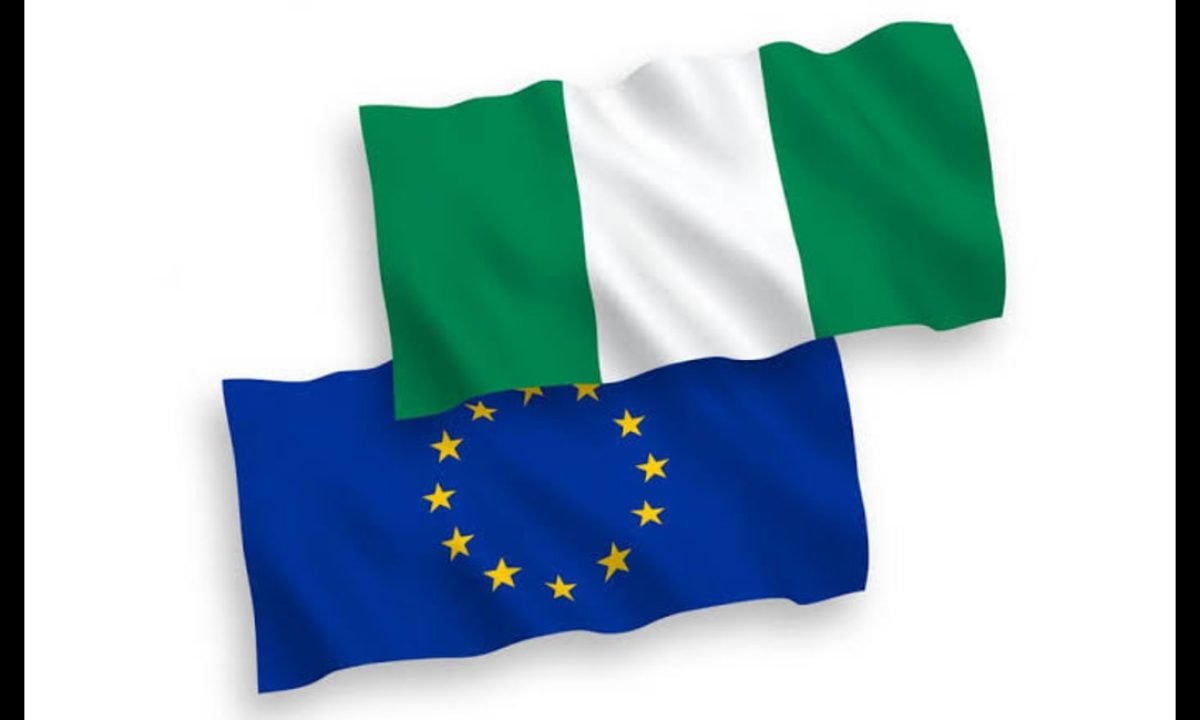
The European Union (EU) has officially removed Nigeria from its list of high-risk countries. This is a landmark decision. It shows massive confidence in Nigeria’s economic reforms. Effectively, it declares that Nigeria’s financial system is now safe and transparent.
The End of “Enhanced Due Diligence”
To understand this news, you must understand the burden Nigeria carried. Being on the “High-Risk” list triggered “Enhanced Due Diligence” (EDD). This affected all money coming from Nigeria.
For example, take a Fintech startup in Lagos. If they tried to secure funding from Berlin, they faced slow processing times. European banks had to treat Nigerian funds with extra caution.
Now, that friction is gone. The digital red flag has been lowered.
Why Now? The Result of Reform
This decision was not an accident. Instead, it is the result of hard work. Nigeria has cleaned up its internal systems.
The EU’s decision mirrors recent reports by the Financial Action Task Force (FATF). Over the last two years, agencies like the NFIU and the CBN have plugged loopholes. They focused on three key areas:
- Anti-Money Laundering (AML): They tightened the nets on how illegal money moves through banks.
- Terrorism Financing (CFT): They cut off funding lines for insurgent groups.
- Crypto Regulation: They created clear rules for digital assets to prevent crime.
The EU Commission noted these improvements. Consequently, Nigeria has fixed the strategic problems identified in the past.
What This Means for 2026
This news adds fuel to Nigeria’s economic recovery. It comes just days after the World Bank predicted a 4.4% growth for the country.
- Easier Investment: European investors were previously hesitant due to risks. Now, they can invest in Nigeria with fewer hurdles.
- Cheaper Banking: Nigerian banks work with foreign banks to process payments. Being delisted lowers the risk. Therefore, the cost of international transfers could drop for everyone.
- Global Reputation: This rebrands Nigeria. It moves the country from a “high-risk” zone to an “investment-ready” destination.
Conclusion: Open for Business
The financial markets have welcomed this news. The removal from the list is not just a badge of honor. It is a practical tool. It smooths the path for trade and investment.
For the Nigerian economy in 2026, the message is clear. The house is clean. The lights are on. The country is officially open for business.